“Struggling now to gain traction, the dog heaved backward until he had dragged the deer onto solid ground.” (page 134)
“I’m a Labrador Retriever. An English Labrador Retriever to be precise.” (page 135)
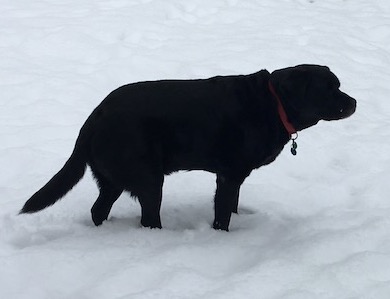
Labrador Retrievers are the most popular breed of dog in the United States. The English variety is a little larger and heavier than its American cousin.
“Your name is Banjo?” (page 137)
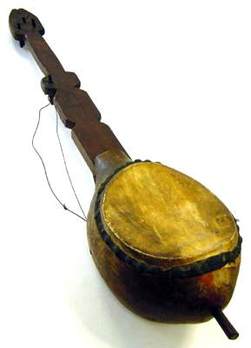
The banjo, of course, is a popular instrument in a number of kinds of music. The article on the banjo at the Ballad of America website provides a nice historical overview–along with a number of video clips–of the history of the banjo from its African origins to the present day.
“Oh! You’re a wood frog. I’ve heard of you.” (page 138)
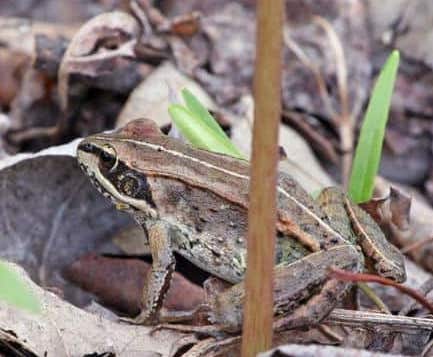
There are quite a few interesting things about wood frogs, but the most amazing of all is that they really are able to survive freezing wintertime temperatures. As cold weather approaches, they produce their own “antifreeze” which enables them to get through the coldest months of the year.
The Virginia Herpetological Society has an excellent page with detailed information about Wood Frogs. This website is an excellent source for information on all known reptiles and amphibians found in Virginia.
“All were standing by the boxes where the honey bees live.” (page 143)
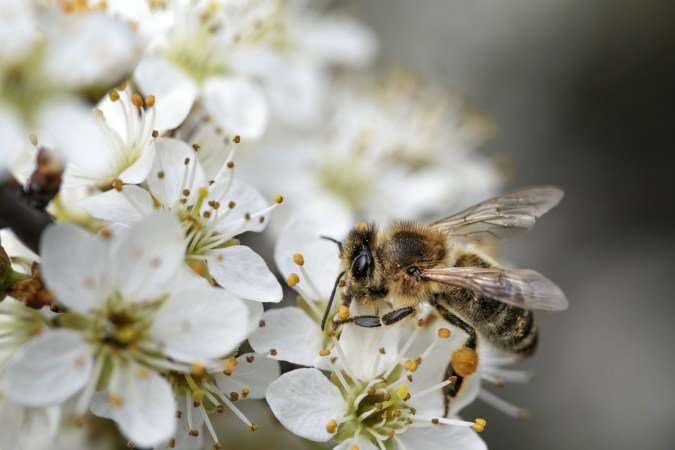
Bees not only produce honey, but they are essential for the pollination of flowering plants.
Photo 78417112 © Nailia Schwarz | Dreamstime.com
“Chestnut trees? There was chestnut trees here?” (page 147)
As the video below explains, American chestnut trees were once the dominant trees in the eastern forests. Beginning in 1904, however, a fungal blight has made them all but extinct.
“Who are you calling a rat?” (page 151)

Some people consider possums to be vermin, like rats. On the contrary, they are both very interesting and extremely valuable animals to have around.
“I heard a faint tapping sound. A crack in the shell seemed to widen a bit.” (page 153)
This video, which features Hooded Crows, depicts what Jet was witnessing.
“…in a place called Shenandoah Valley. While they were there, they visited the Luray Caverns and Shenandoah National Park.” (page 157)
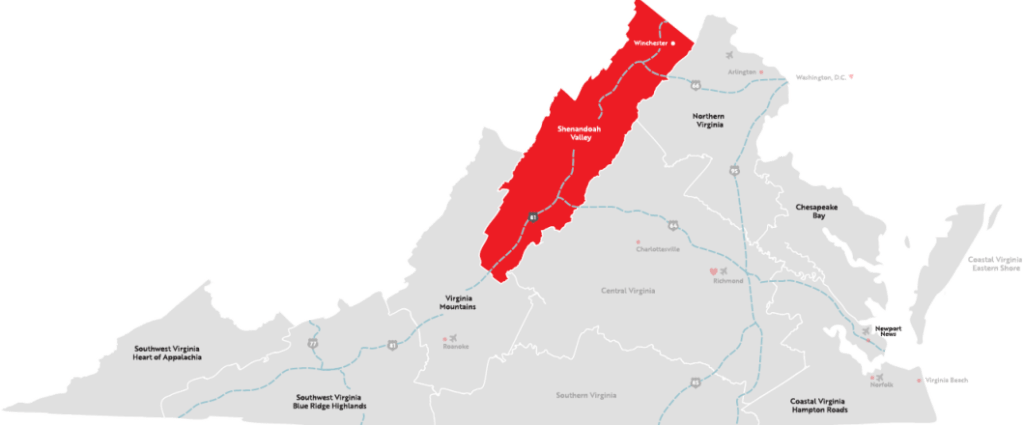
The Shenandoah Valley lies in western Virginia, between the Blue Ridge and the Alleghany Mountains.
In the 18th century, most of the first Europeans to settle in Virginia migrated from Pennsylvania through the Shenandoah Valley, then on to Southwest Virginia, Kentucky, and Tennessee.
The Luray Caverns is a privately-owned site in Luray, Virginia, not far from Shenandoah National Park.
“One day Pap took the boys to see a NASCAR race at Bristol Speedway.” (page 157)

The Bristol Motor Speedway is said to be the fourth-largest sports venue in America and the tenth largest in the world, seating up to 153,000 people.
“The boys said Kurt Busch was the best race car driver ever, but Pap claimed that there’d never be another like Curtis Turner.” (page 157
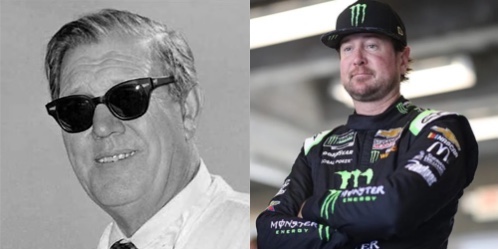
Curtis Turner (1924-1970), a native of Floyd County, Virginia, was the winner in numerous NASCAR races between 1950 and his death in an airplane crash in 1970.
Kurt Busch (born in 1978 in Las Vegas, Nevada) began his long and illustrious career as a teenager.
“When Ashley got a part-time job at Mabry Mill on the Parkway…” (page 157)

Mabry Mill is said to be the most-photographed place along the entire length of the Blue Ridge Parkway.
“Her name is Dobro.” (page 162)

The Dobro, often known as a resonator guitar, is another mainstay of bluegrass, blues, Hawaiian, and other genres of music. The name comes from John and Rudy Dopyera, who immigrated to the United States from Slovakia before the First World War. After working with the National String Instrument Corporation during the 1920s, John Dopyera had a falling out with his partners; along with four of his brothers he started the Dopyera Brothers company.
Here’s an example of Dobro music. “Wildwood Flower” is one of the best-known songs from the Carter Family.
“…bison will be here again where their relatives once lived.” (page 165)
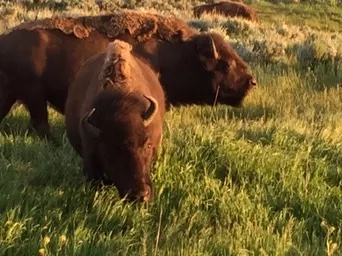
Buffalo, more correctly called bison, were once commonly found in the eastern part of the United States, perhaps numbering as many as two to four million. Due primarily to over-hunting, their population steadily declined until all populations east of the Mississippi River had vanished by the early 1800s.
“…straight toward the wreck charged a massive black bear.” (page 169)
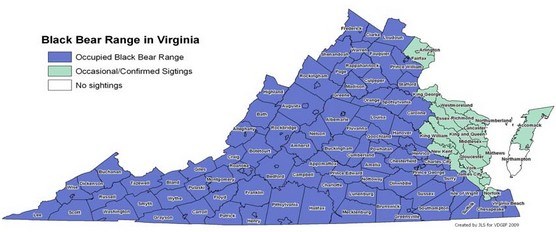
American Black Bears are the most common of the three species of bear found in North America. The other two types are Grizzly Bears (sometimes called Brown Bears) and Polar Bears.
“She said ‘cause she’d like to pretend she’s Hoke and I’m Miss Daisy.” (page 181)
“Driving Miss Daisy” is a 1989 movie starring Jessica Tandy as Daisy Werthan, a retired and widowed schoolteacher. Morgan Freeman plays her chauffeur Hoke Colburn, whom Daisy’s son hired to help his mother. The film explores their developing friendship. Katelyn is referring to this scene:
 Suzann Albright