“Are you two whitetails?” (page 52)

Whitetail deer, also known as Virginia deer, are the most common hooved animal in the Western Hemisphere.
Here’s a page with more information about Whitetail deer.
The Blue Ridge Parkway (page 56)
The Blue Ridge Parkway is the “spine” of the Blue Ridge. Running 469 miles from Shenandoah National Park in Virginia to the Great Smoky Mountains in North Carolina, it marks the eastern edge of the Appalachian Mountain chain.
Raccoon (page 57)
In 2016 the PBS series “Nature” broadcast an excellent program about raccoon behavior:
“Mountains came here twice before” (page 61)
Like the rest of our planet, Virginia has been assembled and disassembled several times due to the forces of Plate Tectonics—numerous huge portions of the earth’s crust alternately crashing into one another and then splitting apart through a process called Orogeny.
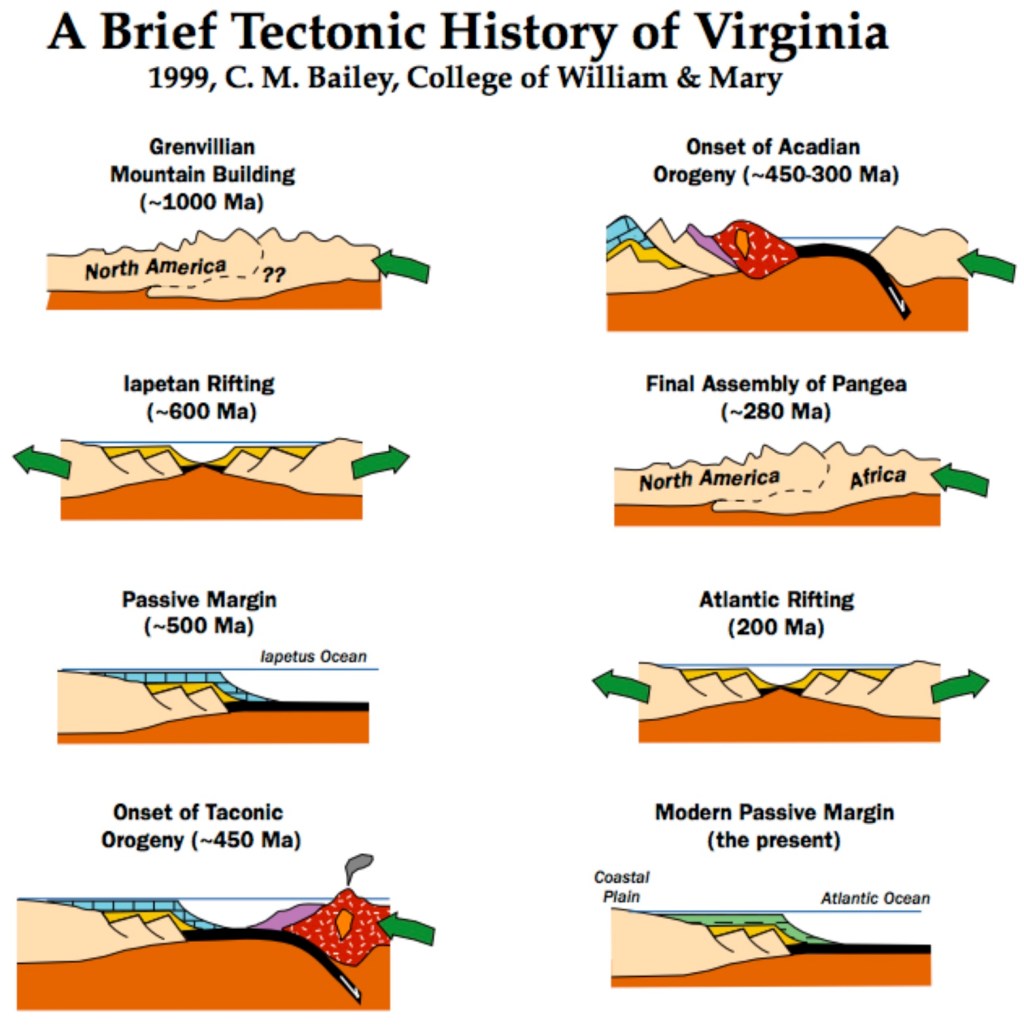
The diagram above illustrates these cycles: the Appalachian Mountains that we know were built before the Age of Dinosaurs, as part of a continent geologists call Pangea. (“Ma” in the diagram means millions of years ago.) The green arrows show which way the sections of the earth’s tectonic plates were moving in different stages of these cycles.
Allison Hammer has created an excellent page, with many illustrations, that gives an overview of Virginia geology.
“We roost near the place where the land meets the Ocean and two great roads cross each other.” (page 61)
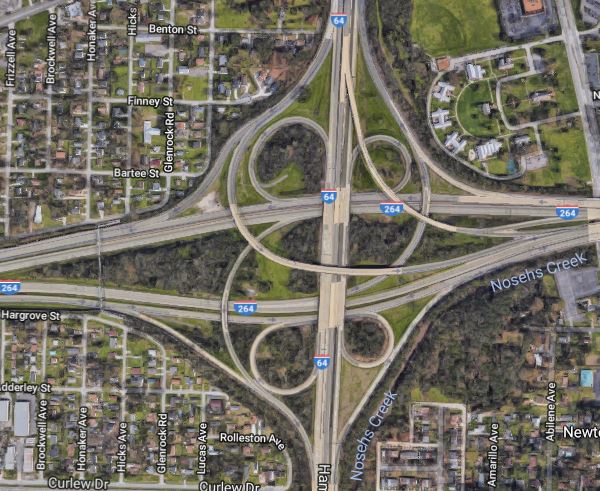
Amazingly enough, the area where Jet and the countless other crows assemble for their roost is at the heart of a busy interchange in Virginia Beach. The image on the left is a crow’s-eye view of their gathering place.
Fairy Stone State Park (page 63)
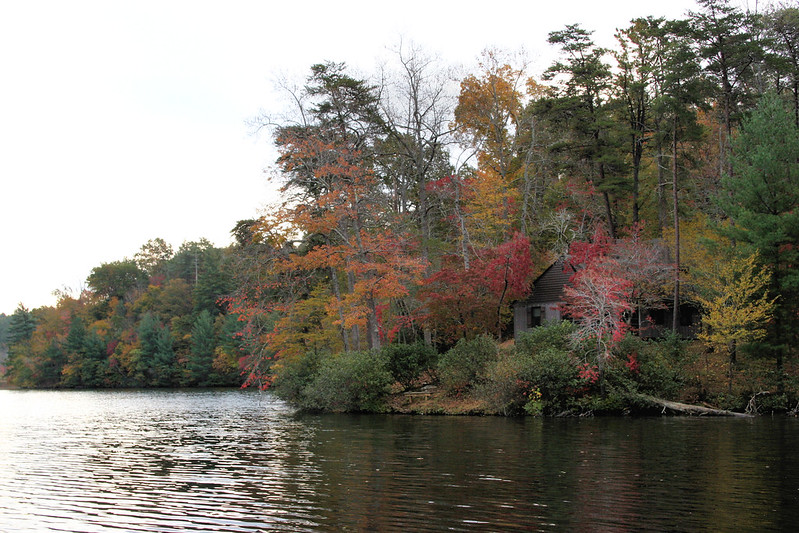
Fairy Stone State Park is located in Patrick County, Virginia, down the eastern slope of the Blue Ridge.
The proper name for Fairy Stone is staurolite, which is composed of iron, aluminum and silicate.
Ferrum Folk Life Festival (page 73)
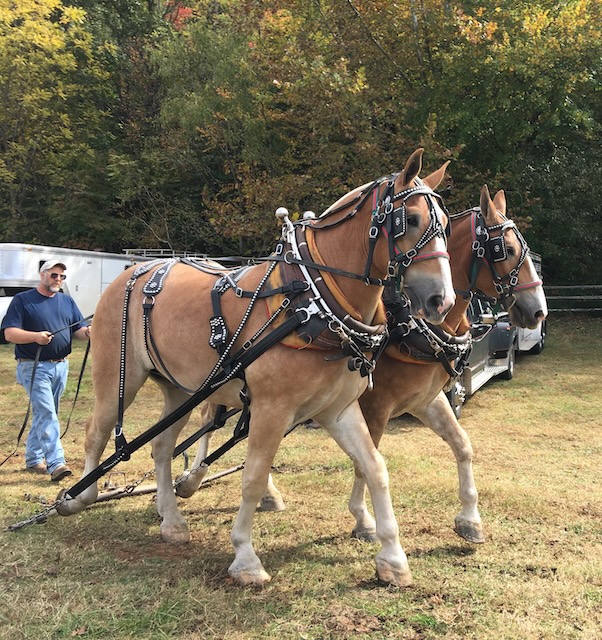
The Blue Ridge Folklife Festival takes place on the fourth Saturday of every October on the campus of Ferrum College. It features musicians, moonshiners, craftspeople, cooks, motorheads, mule jumpers, horse pullers, coon dog racers, antique tractor buffs, and old-time gamers in a celebration of the rich heritage and traditions of the region.
“Leaves are falling and turning in showers of gold…” (page 73)
This is the first line of “Who WIll Watch the Homeplace,” a beautiful song written and performed here by West Virginia singer-songwriter Kate Long. This song won the 1994 International Bluegrass Music Association Song of the Year award.
The Blackest Crow (page 73)
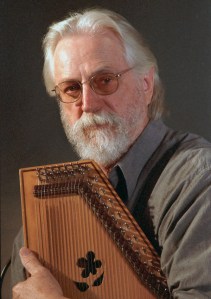
“The Blackest Crow” is a traditional Appalachian folk song, which is still performed by a number of musicians. The songs is also known as “My Dearest Dear” and “The Time Draws Near.”
The version below is sung by Virginia-born autoharpist Bryan Bowers from his album September in Alaska.
Old Fiddlers’ Convention (page 74)

The Old Fiddlers Convention takes place every August in Galax, Virginia. The website for the convention claims that it is “World’s oldest and largest Old Fiddlers’ Convention.”
“The Morgans has been on this land for many generations. Some of them is graves of men that served in Revolutionary War battles. One had fought in the Battle of King’s Mountain in South Carolina. (page 75).
“There was a war in Vietnam. The government was callin’ men to go fight over there. Glenn and I was married in June of 1966, just after we graduated high school. He got drafted into the military November that year.” (page 76)
The Selective Service System, better known as the Draft, was the system of conscription used by the United States government to fill out the numbers of combatants needed by the military beginning in 1965. The animated video below summarizes how the system worked. The Draft was so unpopular that President Richard Nixon replaced it with the all-volunteer military, which is still in effect today.
“Well, the sailors call that a ‘crow’. That was Spencer’s signalman’s patch from his uniform.” (page 77)
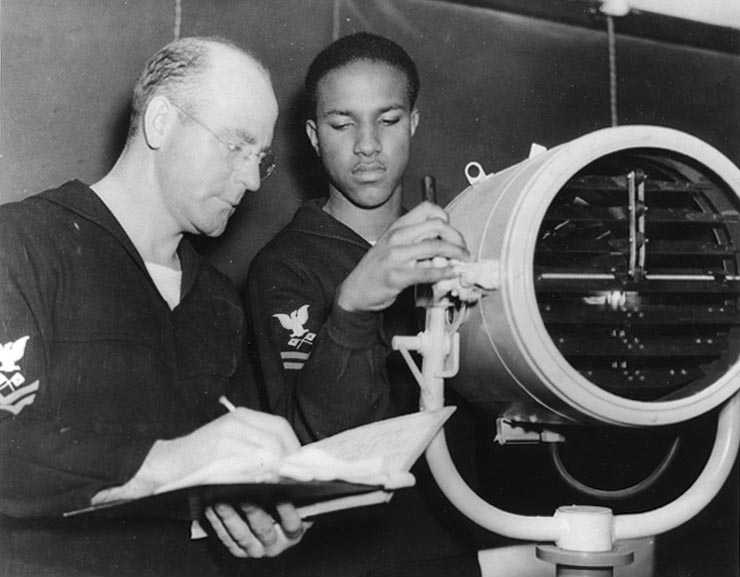
During the Second World War there was, of course, no such thing as cell phones or the internet for communication. Ships also had to maintain radio silence, lest their messages be intercepted by enemy forces. Navy signalmen were highly trained in the rapid and efficient use of various flag signals to send message between nearby ships.
Flags would naturally be useless during nights, so signal lights were used instead to send messages via Morse code. The photo above is from a signal light training session.
“Taisie sewed them pretty quilts you girls have on your beds. She used cloth from feed sacks to make a lot of them patches.” (page 77)
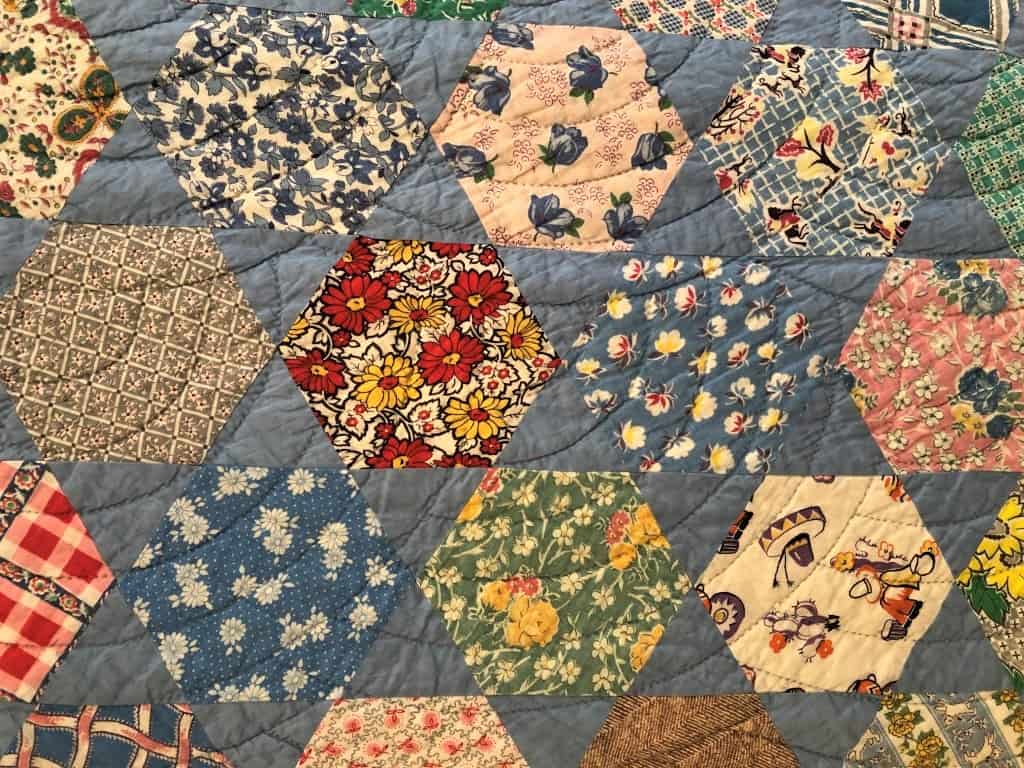
The Old Church Gallery in Floyd, Virginia has a nice collection of quilts, some as old as the late 1800s. Pictured on the right is a quilt made around 1950 from feed sack material.
About 100 years ago textile mills began printing attractive patterns on sacks of animal feed. After the feed was gone, many of these sacks were turned into articles of clothing, bedding materials, or other household items. During 2019-2020 the Old Church Gallery hosted an exhibit of articles made from feed sacks.
“Belgian Malinois have a lot of energy, and they require exercise.” (page 86)
Belgian Malinois is a breed of dog often used for herding, and in law enforcement. As the video below demonstrates, these dogs are incredible athletes.
“Virginia Museum of Transportation and the O. Winston Link Museum.” (page 86)
The Virginia Museum of Transportation is located in an old freight station alongside the Norfolk and Southern tracks in Roanoke. It highlights planes, trains, and automobiles not only in Virginia history, but in American history in general.
O. Winston Link was a successful commercial photographer who, between 1955 and 1960, documented the last years of steam locomotives on the Norfolk and Southern Railroad. His carefully-arranged images cover much of western Virginia, as well as adjoining part of North Carolina, West Virginia, and Maryland.
“Last evenin’ he took her to a contradance…” (page 87)
Contradancing is a form of American folk dance which is several centuries old, with roots in England, Scotland, and France. The video below gives a good sense of this form of recreation.
 Suzann Albright